7 Signs an AC Replacement Quote Is Unnecessary
Last Updated: November 11, 2026
Quick Summary
An AC replacement quote is likely unnecessary when the technician shows no readings, only age or low refrigerant, and skips static pressure and airflow checks. Ask for pressures, temperature split, amp draw, and coil photos in writing, because dirty coils and duct problems can mimic a failing system.
- A single refrigerant pressure number without superheat or subcool tells you almost nothing.
- High blower amp draw can simply mean a clogged filter, not a failing system.
- Two or more repairs in a season points to deeper wear worth weighing against replacement.
- Ask the technician to mark each quote line as required or optional in writing.
- A second opinion is a paid diagnostic, so compare readings side by side.
Table of Contents
- Why an AC Replacement Recommendation Can Feel Unnecessary
- AC Replacement Inspection Checklist: What a Technician Should Show You
- AC Repair Versus Replacement: How to Weigh the Evidence
- Questions to Ask Before Replacing an AC
- How to Get an AC Replacement Second Opinion
- Book a Diagnostic Before You Approve Any Replacement
- Frequently Asked Questions
Why an AC Replacement Recommendation Can Feel Unnecessary
Three different companies tell you the same thing, and you still wonder if it's true. If you've been handed a quote for AC replacement and something feels off, trust that instinct. Refrigerant phaseouts are one reason replacement pitches come up, but they do not by themselves mean your system has to be replaced.
At Launchpad Services, we diagnose first and put the price in writing before any work starts. That's the whole point of a $99 diagnostic.
Here's the tension nobody explains: an old system is not automatically a failing one. Age alone tells you very little. Evidence tells you everything.
For a deeper look at the warning signs of a pushy pitch, read signs of unnecessary AC system replacement.
AC Replacement Inspection Checklist: What a Technician Should Show You
A fair recommendation is backed by measurements, not adjectives. Before you accept any quote, ask the technician to walk you through these readings, and ask what each one means for your system specifically.
- Refrigerant pressures and superheat or subcool readings. These show whether the system is charged correctly and whether the compressor and metering device are working together. A single pressure number without superheat or subcool tells you almost nothing.
- Temperature split between return and supply air. A technician measures the air entering the return and the air leaving the supply. A low split can point to a charge problem, a dirty coil, or an airflow restriction, three very different repairs.
- Amp draw on the compressor and blower. Compare the reading against the manufacturer's rating plate on the unit. A compressor drawing well above its rating is a real warning sign; a blower drawing high can simply mean a clogged filter.
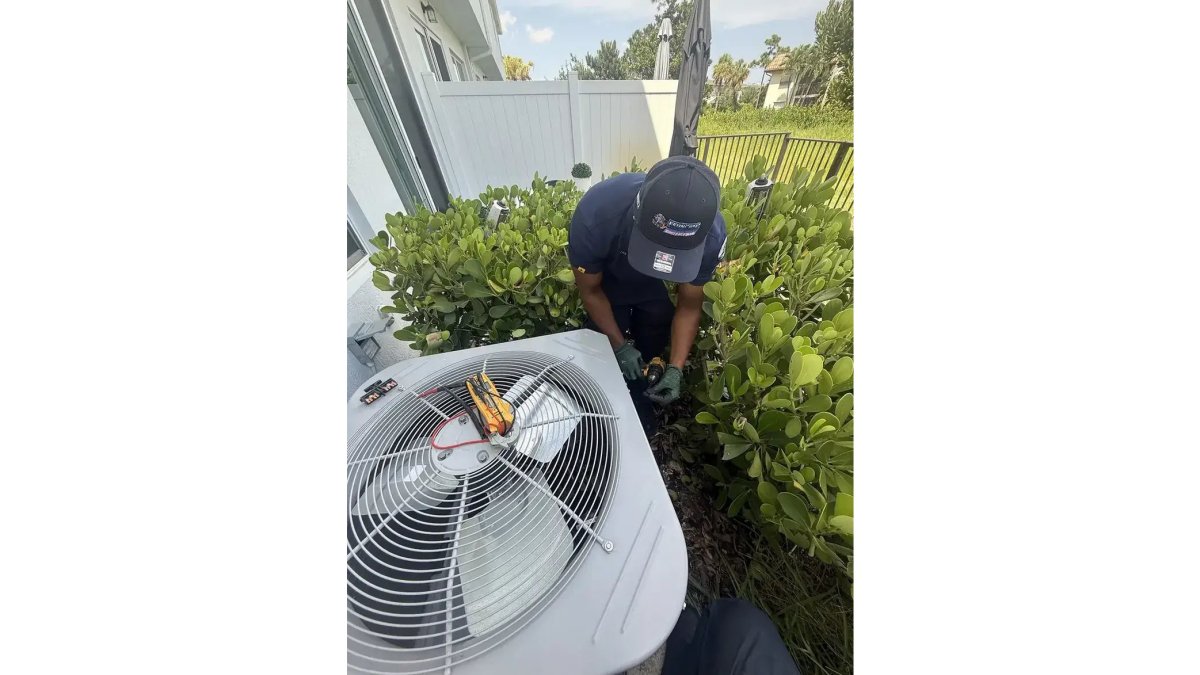
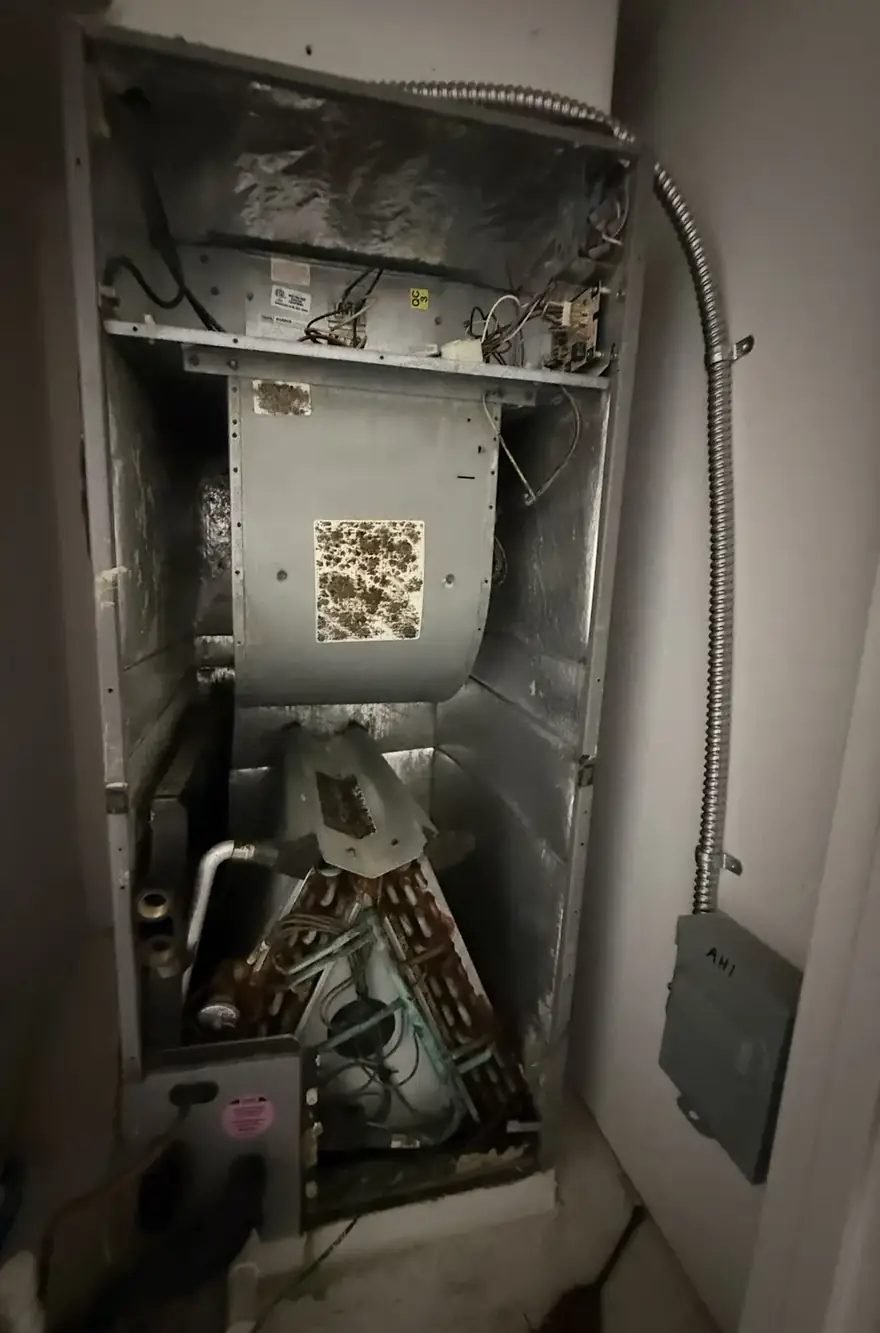
- Condition of the evaporator and condenser coils. Ask for photos. Coil fouling can build up faster in coastal humidity and salt air, and dirty coils can mimic a failing system.
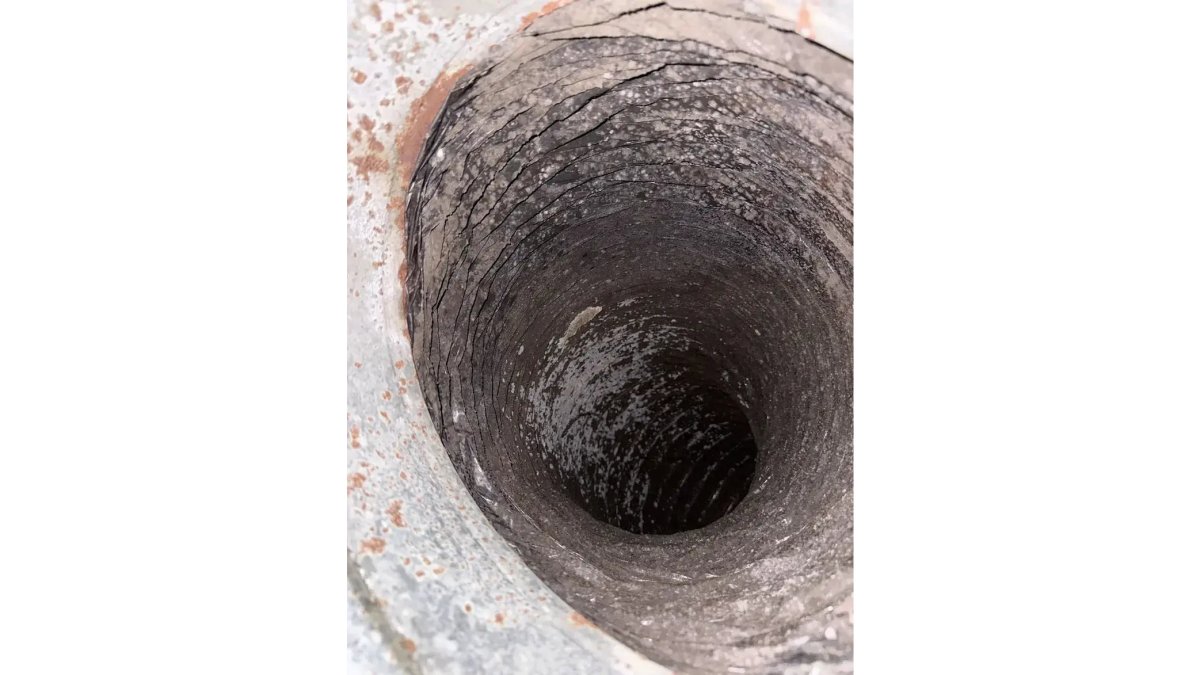
- Static pressure and duct leakage findings. High static pressure means the blower is fighting restricted ductwork. In hot attics, attic ductwork is a frequent culprit, and duct sealing can address leakage without replacing equipment.
- Filter condition and airflow restrictions. A simple check, but one that gets skipped when the goal is a sale rather than a diagnosis.
- A written summary of findings, not a verbal pitch. Ask for the readings, the manufacturer's rating plate values, and the recommended repair in writing before you decide anything.
If none of that appears, you're being sold to, not diagnosed.
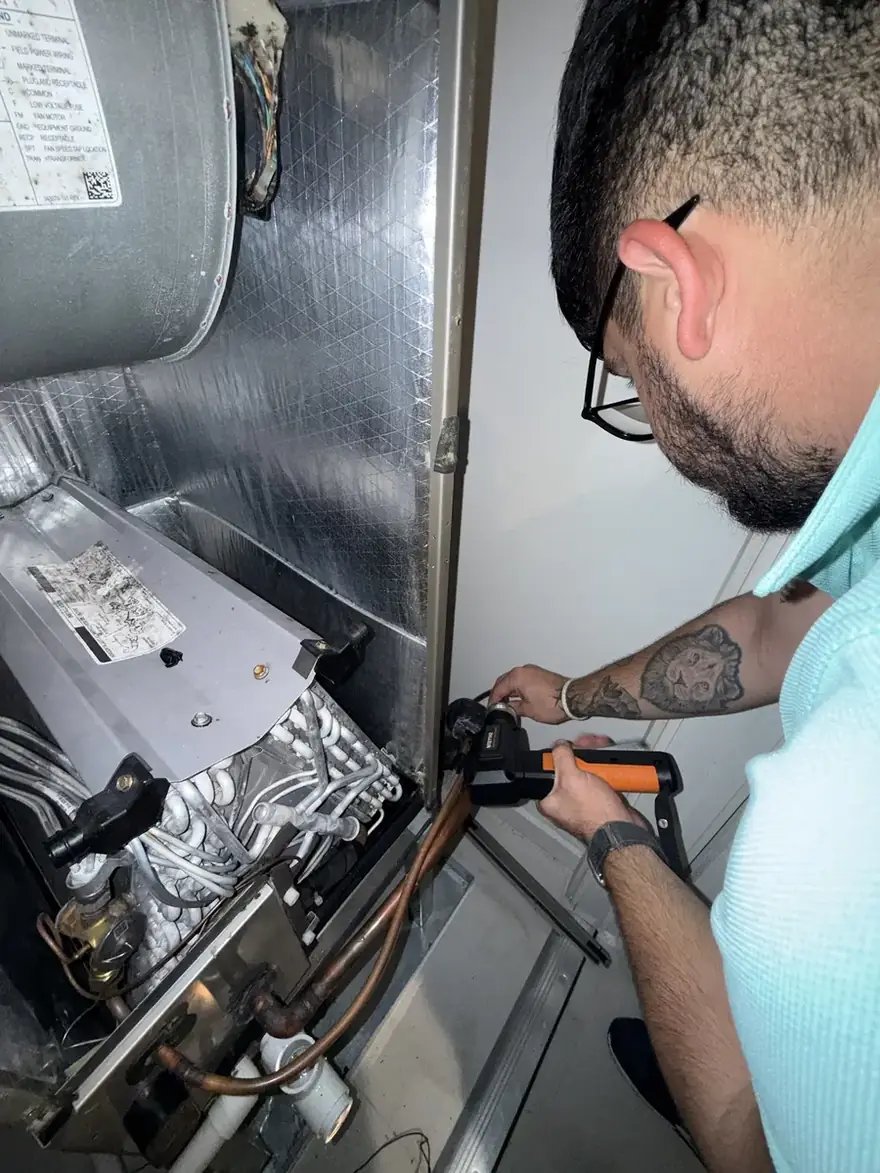
Here are the readings a fair replacement recommendation should be built on, and what each one tells you.
| Reading | What it shows | Watch for |
|---|---|---|
| Refrigerant pressures and superheat or subcool | Whether the system is charged correctly | A single pressure number tells you almost nothing |
| Temperature split between return and supply air | Charge, coil, or airflow problems | A low split can point to three different repairs |
| Amp draw on compressor and blower | Wear against the manufacturer's rating plate | High blower draw can simply mean a clogged filter |
| Condition of evaporator and condenser coils | Coil fouling that can mimic a failing system | Ask for photos |
| Static pressure and duct leakage findings | Whether the blower is fighting restricted ductwork | Duct sealing can address leakage without new equipment |
| Filter condition and airflow restrictions | Simple airflow checks | Often skipped when the goal is a sale |
| Written summary of findings | Readings, rating plate values, recommended repair | A verbal pitch is not a diagnosis |
AC Repair Versus Replacement: How to Weigh the Evidence
Repair often makes sense when the problem is isolated and the rest of the system tests healthy. Replacement may make more sense when multiple major parts are failing at once, or when repair costs grow large compared with new equipment.
Weigh three things:
- Repair-to-replacement ratio. Compare the repair quote against the full replacement quote.
- Repeat failures. Two or more repairs in a season points to deeper wear.
- Compatibility. Some older systems use refrigerants that are no longer produced, which can limit repair options.
For the honest math on Brevard County systems, see repair versus replace in Florida, and for what drives repair pricing, read AC repair cost in Brevard County. We give a written, upfront price after diagnosis, before any work begins, and free in-home estimates are available for new systems.
Questions to Ask Before Replacing an AC
The right questions separate a diagnosis from a sales script. Ask these before you sign anything, and write the answers down.
About the diagnosis:
- What readings prove the compressor is failing, and can I see them?
- What happens if I repair instead, and what would that cost?
- Is the failure tied to refrigerant, electrical, or airflow?
- Was static pressure measured, and what did it show?
About the equipment:
- What's the expected lifespan of the equipment you're quoting?
- Are there good, better, and best options?
- How was the system sized, and did you perform a load calculation for my home?
About the scope and add-ons:
- Which items on this quote are required for the system to run safely and to code, and which are optional?
- Will you pull the permit for the install, and is the permit fee included?
- What's excluded from this quote, duct modifications, electrical work, line-set replacement, drain work?
That last set matters most. A replacement quote often bundles optional items, new controls, duct sealing, surge protection, indoor air quality accessories, next to required ones with no labels.
A quote can include full duct replacement when duct sealing might address the leakage, so ask what the leakage test showed.
About the paperwork:
- Can I have the written findings, the load calculation, and the itemized quote before I decide?
- What's the warranty on labor, and what's the warranty on parts?
A common mistake is accepting a verbal explanation without the numbers behind it. To check any estimate line by line, use these five steps to verify an HVAC repair estimate.
Watch out: if a company won't put the required-versus-optional breakdown in writing, treat that as a signal. A legitimate recommendation survives documentation; a pressure pitch usually doesn't.
How to Get an AC Replacement Second Opinion
A second opinion is a paid diagnostic, not a free sales visit. Book one with a different provider and ask for the same measurements: pressures, temperature split, amp draw, and static pressure. Compare the two reports side by side.
Watch out: a "free estimate" that skips diagnostics usually ends in a quote built on assumption, not evidence. Pay for the reading and you own the facts.
Financing is available for new systems if replacement is genuinely needed, and we don't quote rates or terms until you ask.
Book a Diagnostic Before You Approve Any Replacement
A clear diagnosis is the cheapest insurance against an unnecessary quote. For $99, we'll test the system, show you the readings, and give you a written price before any work starts. If repair is the smarter call, we'll say so.
Comfort Club members get $49 service calls, two seasonal tune-ups a year, priority service, and 15% off repairs, with limits applying. Plans start at $24.99/month. Call 321-375-5582 or book AC repair in Palm Bay and get the facts first.
Three companies, three quotes, three different stories. You deserve one set of readings you can actually read. Launchpad Services is licensed and insured (FL CAC1822716), locally owned in Palm Bay, and we serve homeowners across Brevard County with upfront pricing, same-day appointments, and free second opinions. Get started with Launchpad Services and replace only what truly needs replacing.
Frequently Asked Questions
How can I tell whether an AC replacement recommendation is necessary?
Ask for the evidence behind it. A sound recommendation is backed by measured readings, a stated system age, and a documented repair history. A recommendation should rest on condition, not a single factor. Ask what was tested, what the numbers were, and what repair would cost compared with replacement. If the technician cannot show readings or explain the failure in plain terms, get a second opinion before signing anything.
When should I get a second opinion on an AC replacement?
Get one when the recommendation arrives without readings, when the quote lists add-ons you did not ask about, or when the system is still cooling and the only reason given is age. A second opinion is also worth the time if the first quote came from a high-pressure sales visit rather than a diagnostic. You can request a free second opinion from another licensed contractor and compare the written findings side by side. Two independent diagnoses that agree give you real confidence.
What questions should I ask before approving an AC replacement?
Ask what specifically failed, what readings support that, and whether a repair is possible. Ask for the system age, the expected lifespan for that model, and what a repair would cost versus replacement. Request a written, upfront price before any work starts, and ask whether a permit is required, since Florida replacements generally need one. Also ask about equipment options, warranty terms, and whether ductwork or electrical work is included. Clear answers to these separate a genuine recommendation from an upsell.
Can an air conditioner be repaired instead of replaced?
Often, yes. Many cooling problems trace back to a failed capacitor, a clogged drain line, a weak breaker connection, or refrigerant issues, all of which a licensed technician can diagnose and repair. What decides it is the repair cost relative to system age and condition. Ask for a repair price and a replacement price in writing, then compare them against how many more years the system is likely to deliver.