How to Check AC Refrigerant Line Insulation
Last Updated: November 4, 2026
Quick Summary
Checking AC refrigerant line insulation takes about five minutes: look at the foam sleeve on the copper lines running from your outdoor unit, and replace any section that is cracked, missing, or falling apart. The Building America Solution Center recommends this check once a year.
- Look for cracked or crumbling foam along the suction line, bare copper, and gaps at the wall entry.
- Wet insulation on humid days is another sign that the sleeve needs attention.
- UV-resistant AC line insulation uses closed-cell foam with a UV-resistant jacket and sealed seams.
- A licensed technician can inspect the copper for damage and replace the old foam where needed.
- We give you a written, upfront price after diagnosis, before any work starts.
Table of Contents
- How to Check AC Refrigerant Line Insulation
- UV Resistant AC Line Insulation
- AC Refrigerant Line Insulation Replacement
- Frequently Asked Questions
How to Check AC Refrigerant Line Insulation
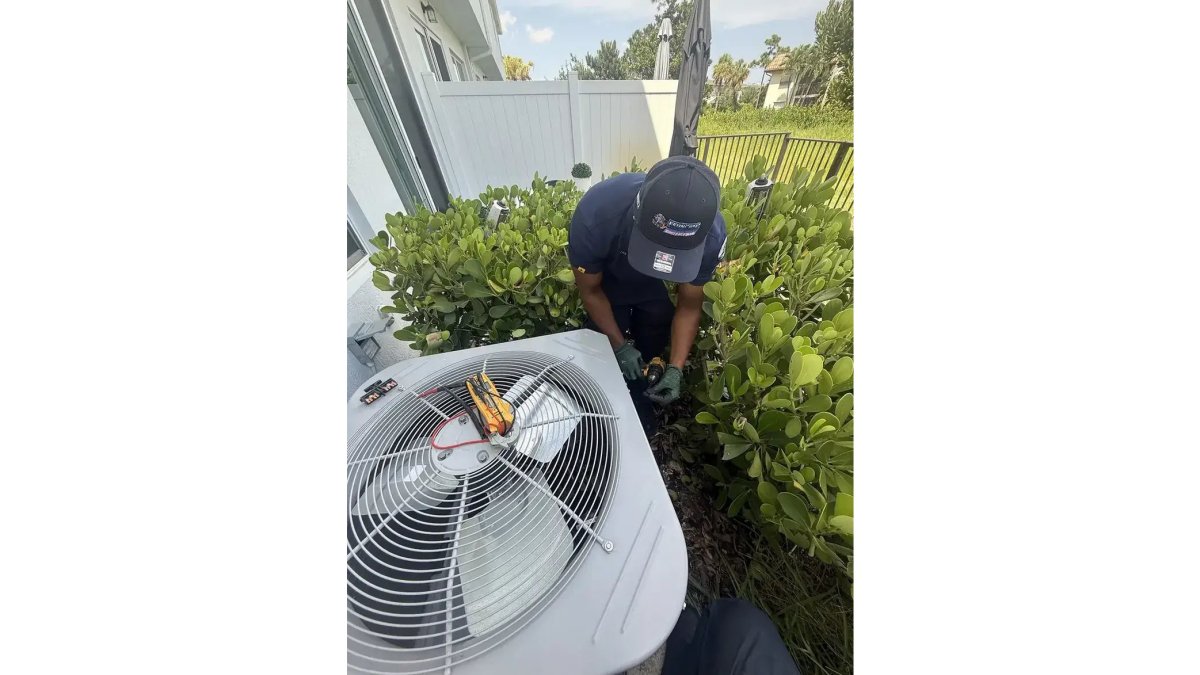
Checking AC refrigerant line insulation takes about five minutes: look at the foam sleeve on the copper lines running from your outdoor unit, and replace any section that is cracked, missing, or falling apart. The Building America Solution Center guide on refrigerant line set insulation recommends this check once a year.
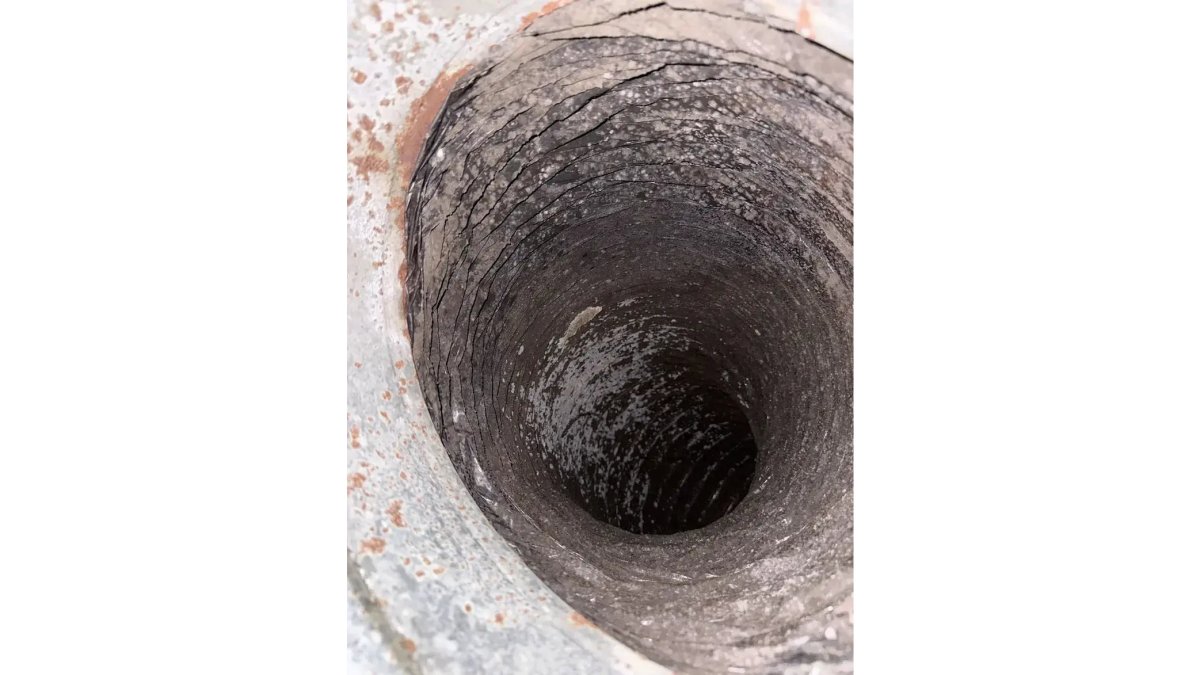
Look for cracked or crumbling foam along the suction line, bare copper, gaps at the wall where the line set enters the house, and wet insulation on humid days.
Damaged insulation lets heat back into the cold line, making your system work harder all summer. You can also join the Comfort Club to have a licensed tech check it twice a year (limits apply), or book AC repair before a small tear becomes a big bill.
Here is the quick version of the annual insulation check.
| Step | What to do | Frequency |
|---|---|---|
| Time needed | About five minutes | Each check |
| Inspect | Foam sleeve on copper lines from outdoor unit | Once a year |
| Look for | Cracked, missing, or falling-apart foam | Each check |
| Look for | Bare copper and gaps at the wall entry | Each check |
| Look for | Wet insulation on humid days | Each check |
| Fix | Replace any damaged section | As found |
UV Resistant AC Line Insulation
Florida sun destroys standard foam. UV-resistant AC line insulation is a foam sleeve wrapped in a tough outer skin that blocks sunlight, so the foam underneath does not crumble. The International Residential Code requires outdoor refrigerant line insulation to be protected from weather damage, per IRC M1411.6.1 on line set protection.
Look for closed-cell foam with a UV-resistant jacket and sealed seams.
A damaged sleeve also wastes energy. For more ways to cut summer bills, see how to reduce home energy bills in Florida.
AC Refrigerant Line Insulation Replacement
Replacing insulation is straightforward when the copper itself is sound. A licensed technician can inspect the copper for damage and replace the old foam where needed.
If the copper is damaged or the line set is buried in a wall, we can assess it. We give you a written, upfront price after diagnosis, before any work starts. For duct and insulation work in Palm Bay, see our duct work and insulation service. Call 321-375-5582 or book online.
Frequently Asked Questions
Should an AC refrigerant line be insulated?
Yes. The suction line carries cold refrigerant and must stay insulated along its entire length to prevent condensation, energy loss and moisture damage. Weather-exposed refrigerant line insulation should be protected from degradation. In Brevard County's humid climate, missing or damaged insulation leads to sweating pipes and higher energy bills.
What happens if refrigerant lines are not insulated?
Uninsulated suction lines absorb heat from the surrounding air, which reduces system performance and energy efficiency. They also sweat heavily, and that condensation can drip onto ceilings, walls or attic decking. Insulation should be intact along the entire suction line, especially the outdoor section, to prevent condensation and efficiency loss.
How can I tell if my AC refrigerant line insulation is damaged?
Look for cracks, tears, missing sections, or insulation that has pulled away from the copper tubing. Check for condensation or water stains near the line set. UV degradation turns foam brittle and chalky. The U.S. Department of Energy's Building America Solution Center recommends checking refrigerant line-set insulation annually for missing insulation, damage and wear. If you see any of these signs, call a licensed technician.
Small tears in line insulation are easy to ignore and easy to fix. If your check turns up damage, or you would rather leave it to a licensed tech, Launchpad Services can inspect the whole system and give you an upfront price before any work begins. Comfort Club members get two seasonal tune-ups a year, priority service, and 15% off repairs, with limits applying. Call 321-375-5582 or book service online and get your system checked before the next heat wave.