The Best Ways to Reduce Home Energy Bills in Florida
Last Updated: October 28, 2026
Quick Summary
The most effective way to reduce home energy bills in Florida is to start with free habits that target cooling, since air conditioning is usually the largest load in a Florida home. Adjusting the thermostat, changing filters on schedule, and closing blinds on sun-facing windows cost nothing and can be done right away.
- Cooling is typically the largest single load in a Florida home, so start there.
- Raise the thermostat setpoint while you are away rather than turning the system off.
- Lighting accounts for nearly 15% of total home energy costs, according to Con Edison's guidance.
- Standby power can account for as much as 10% of total home energy use.
- Replacing five frequently used bulbs with ENERGY STAR certified products can save about $40 per year.
Table of Contents
- Why Florida Homes Use So Much Energy
- What Uses the Most Electricity in a Home
- Thermostat Settings to Save Energy
- How Often to Change Your HVAC Air Filter
- AC Refrigerant Line Insulation and Duct Sealing
- Low-Cost Habits That Lower Your Electric Bill
- Prioritizing Savings by Cost, Effort and Payback
- Preventive Maintenance and Your Energy Use
- Book Your Energy-Saving Check With Launchpad Services
- Frequently Asked Questions
Why Florida Homes Use So Much Energy
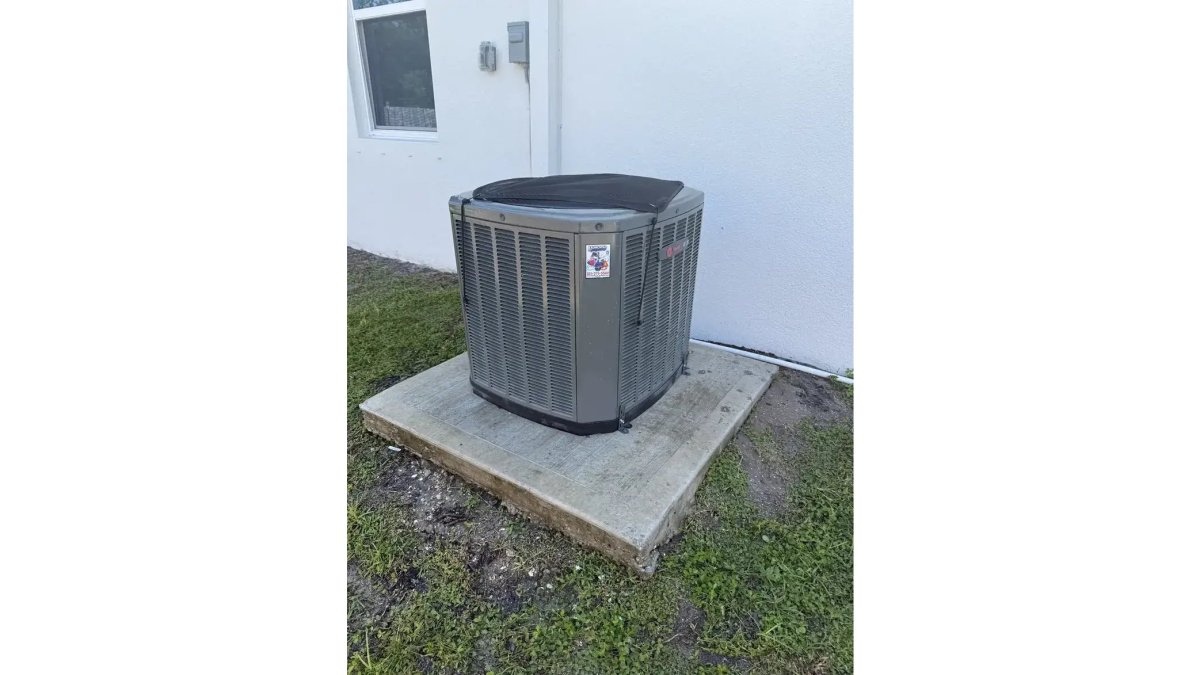
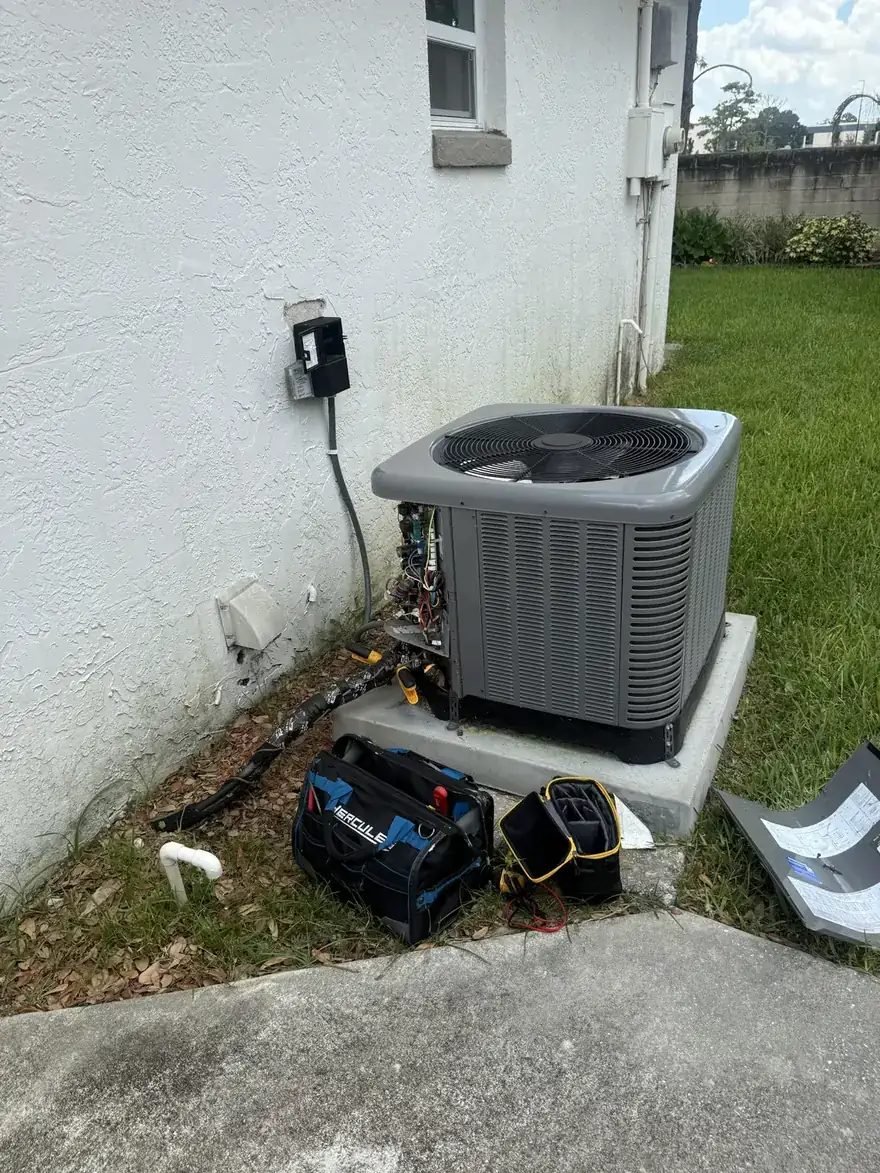
Florida homes work harder than most. Year-round heat and humidity keep air conditioners running for much of the year, and hot attics push cooling loads even higher. Knowing where the energy goes is the first step to reduce home energy bills across Brevard County, from older homes in Melbourne Beach and Indialantic to newer builds in Viera and Suntree.
What Uses the Most Electricity in a Home
Cooling is typically the largest single load in a Florida home, so it makes sense to focus there first. Lighting, water heating, laundry, and standby power from electronics fill out the rest of the bill.
Lighting alone accounts for nearly 15% of total home energy costs, according to Con Edison's guidance on lowering utility bills. Standby power matters too: Schneider Electric's analysis of high energy bills notes that standby power can account for as much as 10% of total home energy use.
Knowing where your electricity goes tells you where a change will actually register on the bill.
Thermostat Settings to Save Energy
A practical starting point for most Space Coast homes:
- While you are home and awake: set the thermostat to the warmest temperature you are genuinely comfortable at.
- While you are away: raise the setpoint several degrees rather than turning the system off.
- While you sleep: a slightly higher setpoint works for most people, and a programmable or smart thermostat can make the change automatically.
Quick steps:
- Pick a comfortable daytime setpoint and stop overriding it manually.
- Program a higher setpoint for empty hours and overnight.
- Keep the thermostat out of direct sun and away from lamps, TVs, and supply vents.
- Change the filter on schedule.
If your thermostat is older than the equipment or you are unsure whether it is compatible with a variable-speed system, we can check it during a standard $99 diagnostic.
How Often to Change Your HVAC Air Filter
Check your filter monthly during peak cooling season and replace it when it looks loaded with dust, or sooner if you have pets or renovation dust in the house.
Homeowners can handle this themselves. Filter changes, keeping vents open, and clearing debris around the outdoor unit are all safe DIY tasks.
AC Refrigerant Line Insulation and Duct Sealing
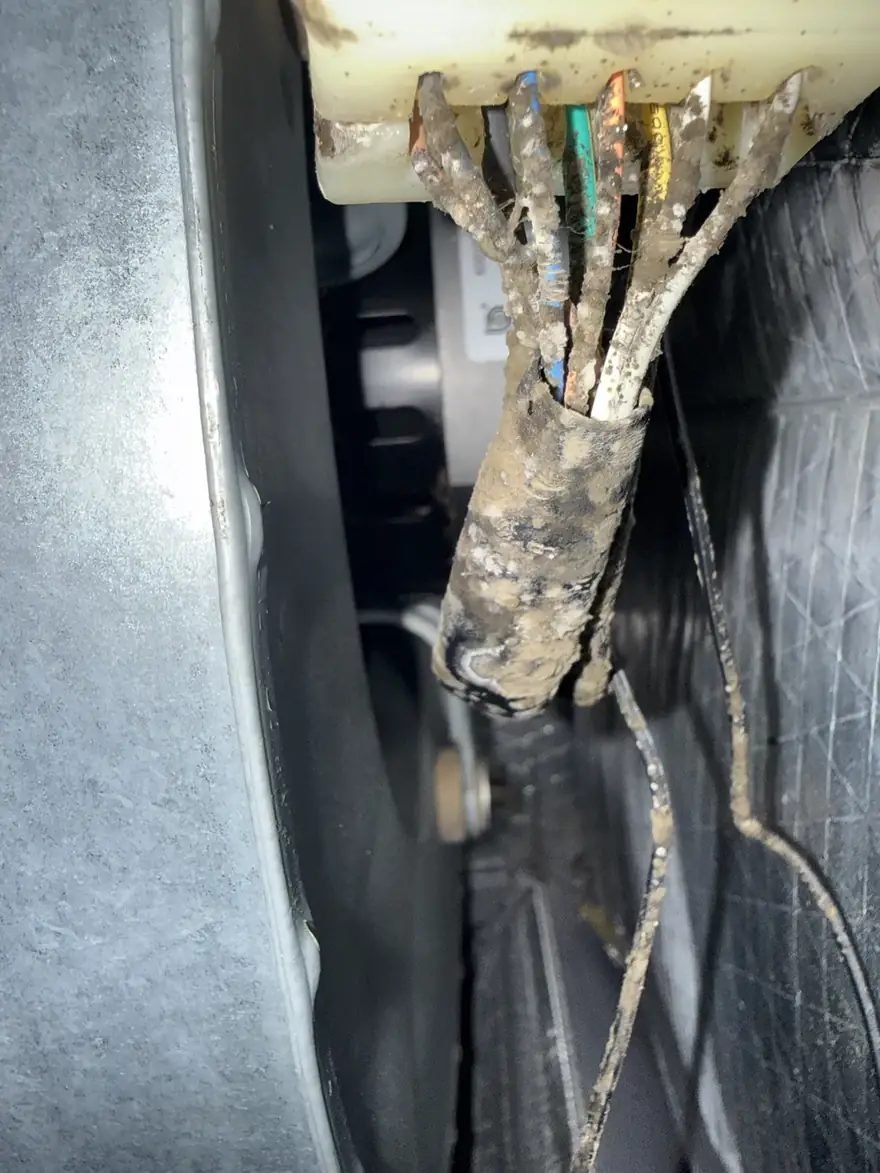
Refrigerant line insulation. Inspect the lines where they enter the attic and the outdoor unit; if the foam is crumbling or the line is bare, it needs attention. Refrigerant work itself belongs to a licensed technician, do not open or repair the lines yourself.
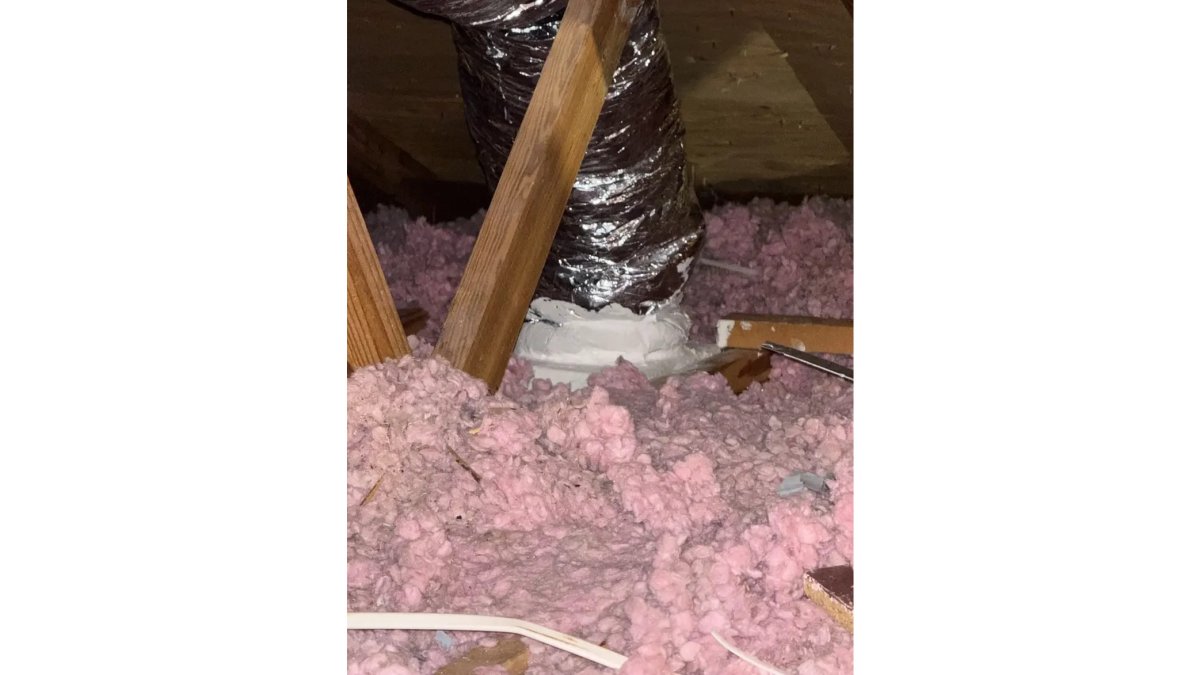
Duct sealing. Our [Duct Sealing & Attic Insulation | https://www.launchpadservices.com/duct-and-insulation/] team can assess both during a visit.
How to decide what to do first. A prioritized approach:
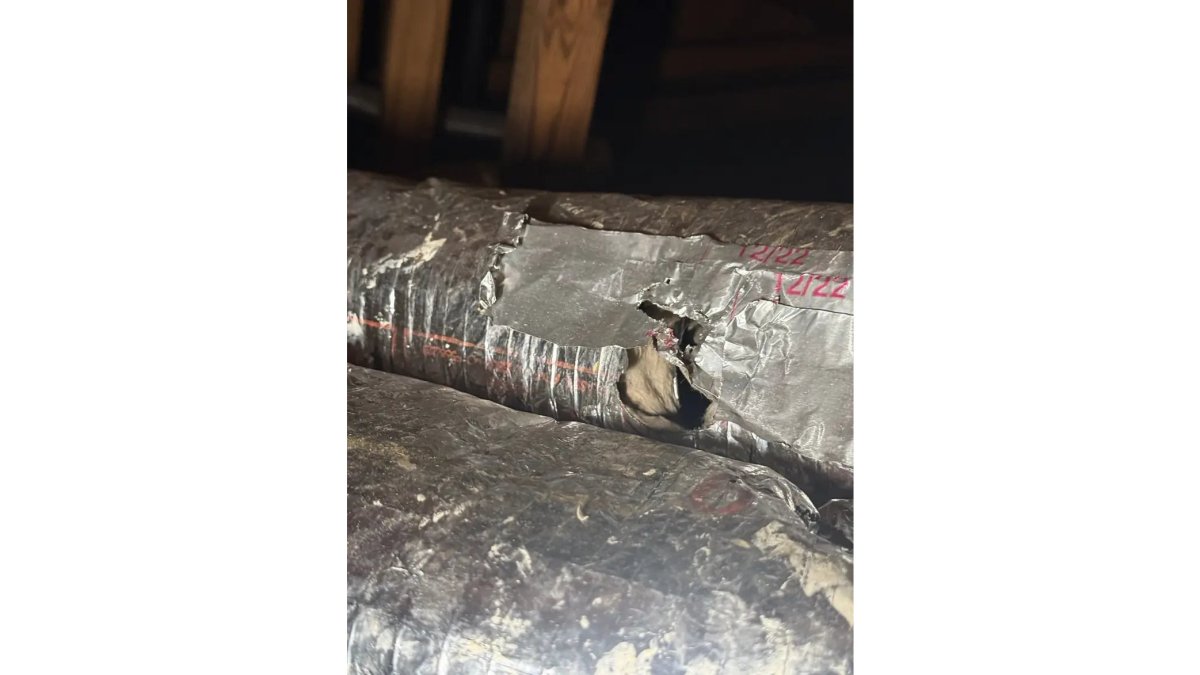
- Free: check the visible line insulation and look for disconnected or crushed flex duct in the attic. Note what you find.
- Low cost: seal obvious gaps at registers and accessible joints with approved duct mastic or foil tape, not cloth-backed “duct tape,” which fails in attic heat.
- Larger investment: professional duct sealing and attic insulation.
We offer free in-home estimates for duct sealing and attic insulation, with good/better/best options so you can see the trade-offs side by side. Comfort Club members receive 15% off Super Seal duct sealing and our IAQ + Protection package, and limits apply. [See maintenance plans | launchpadservices.com] for details.
For the full picture on Florida-specific upkeep, our [HVAC tips for Space Coast homeowners | launchpadservices.com] cover humidity, salt-air corrosion, and maintenance savings.
Low-Cost Habits That Lower Your Electric Bill
Small changes add up without any spending at all:
- Close blinds and curtains on sun-facing windows during the day. Proper use of curtains and shades can reduce energy bills by 2% to 12%, according to the City of Shaker Heights' energy efficiency guidance.
- Run dishwashers, washers, and dryers during cooler parts of the day and only with full loads.
- Use exhaust fans sparingly and turn off fans when no one is in the room.
- Unplug or switch off electronics and chargers you aren't using.
Lighting, Standby Power and Window Coverings
Replacing five frequently used light fixtures or bulbs with ENERGY STAR certified products can save approximately $40 per year, according to ENERGY STAR's low- and no-cost tips. Combine that with a habit of turning off lights in empty rooms and using window coverings strategically, and you have a simple package that requires no major investment.
Prioritizing Savings by Cost, Effort and Payback
Not every fix is worth the same effort. We suggest ranking options in three tiers:
- Free or nearly free: thermostat adjustments, filter checks, closing blinds, and turning off standby loads. Do these first.
- Low cost: LED bulb swaps and sealing obvious air leaks.
- Larger investments: duct sealing, attic insulation, and equipment upgrades.
If your system is aging or repairs are piling up, a [HVAC Repair | https://www.launchpadservices.com/hvac-repair/] visit can help diagnose the issue. We give a written, upfront price after diagnosis.
The table below ranks the savings steps from the article by cost and effort, so you can start with the cheapest fixes.
| Tier | Examples | Cost level |
|---|---|---|
| Free or nearly free | Thermostat adjustments, filter checks, closing blinds, turning off standby loads | Free |
| Low cost | LED bulb swaps, sealing obvious air leaks | Low |
| Larger investments | Duct sealing, attic insulation, equipment upgrades | Higher |
Preventive Maintenance and Your Energy Use
Our Comfort Club maintenance plans start at $24.99/month and include two seasonal maintenance visits a year, one free service call per year, $49 service calls, $0 emergency and after-hours fees, priority service, and 15% off repairs. [Join the Comfort Club | launchpadservices.com] to see what fits your home. Limits apply.
For the full picture on Florida-specific upkeep, our [HVAC tips for Space Coast homeowners | launchpadservices.com] cover humidity, salt-air corrosion, and maintenance savings.
Book Your Energy-Saving Check With Launchpad Services
Start with the free habits above, then have a professional look at the parts you can't see from the thermostat. Our standard diagnostic is $99, and we give a written, upfront price before any work begins.
Ready to find out? [Contact Launchpad Services | launchpadservices.com] by calling 321-375-5582 or booking online. We're locally owned, licensed, and insured (FL CAC1822716), and we serve Palm Bay, Melbourne, Viera, Suntree, and across Brevard County. Our service is out of this world.
Frequently Asked Questions
What runs your electric bill up the most?
Air conditioning, water heating, electric dryers, refrigerators and standby power from electronics use electricity in a home.
How often should I replace my HVAC air filter?
Check your filter monthly and replace it when it looks dirty. A clogged filter can affect airflow.
What thermostat settings can help lower energy use?
Setting your thermostat a few degrees higher while you are away or asleep is one option to consider. Programmable thermostats can make schedules easier to keep.
Can HVAC maintenance help reduce home energy use?
Our Comfort Club plans include two seasonal maintenance visits a year, one free service call per year and 15% off repairs. Limits apply. You can review the details on our maintenance plans page.
How can I tell if my AC refrigerant line insulation needs attention?
Look at the insulated lines running from the outdoor unit to the indoor air handler. Refrigerant handling and line repairs are work for a licensed technician, so a homeowner's role is limited to visual checks and reporting concerns. If you see damaged insulation, call us for a written, upfront price before any work starts.
How much does a service call cost with Launchpad Services?
Our standard diagnostic is $99. Comfort Club members pay $49 for service calls, and membership plans start at $24.99 per month. We diagnose the problem first and give you a written, upfront price before any work begins. Repair and replacement costs depend on the equipment and the work needed. Free in-home estimates are available for new systems.
Do air sealing and duct sealing really lower bills?
Our duct sealing and attic insulation services are available to homeowners.