Common Causes of AC System Failure and What to Do
Quick Summary
Common causes of ac system failure include a dirty filter or blocked vents, a tripped breaker, a thermostat set incorrectly, a frozen evaporator coil, and a failing compressor. Many of these have simple checks you can do yourself, while refrigerant and compressor problems need a licensed technician.
- Replace a dirty filter and open all supply vents and return grilles first.
- Reset a tripped breaker once; if it trips again, call a licensed technician.
- Turn the system off and let a frozen coil thaw before running it again.
- A buzzing outdoor unit that never starts can signal a failing capacitor or compressor.
- Our standard diagnostic is $99, with a written, upfront price before any work begins.
Table of Contents
- Why AC Systems Fail and How to Spot the Early Signs
- Air Conditioner Problems and Solutions: Thermostat, Power, and Breaker Issues
- Most Common Reason for AC Not Blowing Cold Air: Airflow, Refrigerant, and Frozen Coils
- Signs of AC Compressor Failure and When Repair Is No Longer Worth It
- AC Maintenance and Filter Replacement to Prevent Future Failure
- Booking Your Diagnostic Visit with Launchpad Services
- Frequently Asked Questions
Common Causes of AC System Failure and What to Do
Last Updated: November 13, 2026
Why AC Systems Fail and How to Spot the Early Signs
Most air conditioner failures don't happen overnight. They start with small signals: a unit that runs longer than it should, a faint new noise, or a room on the second floor that never quite cools down.
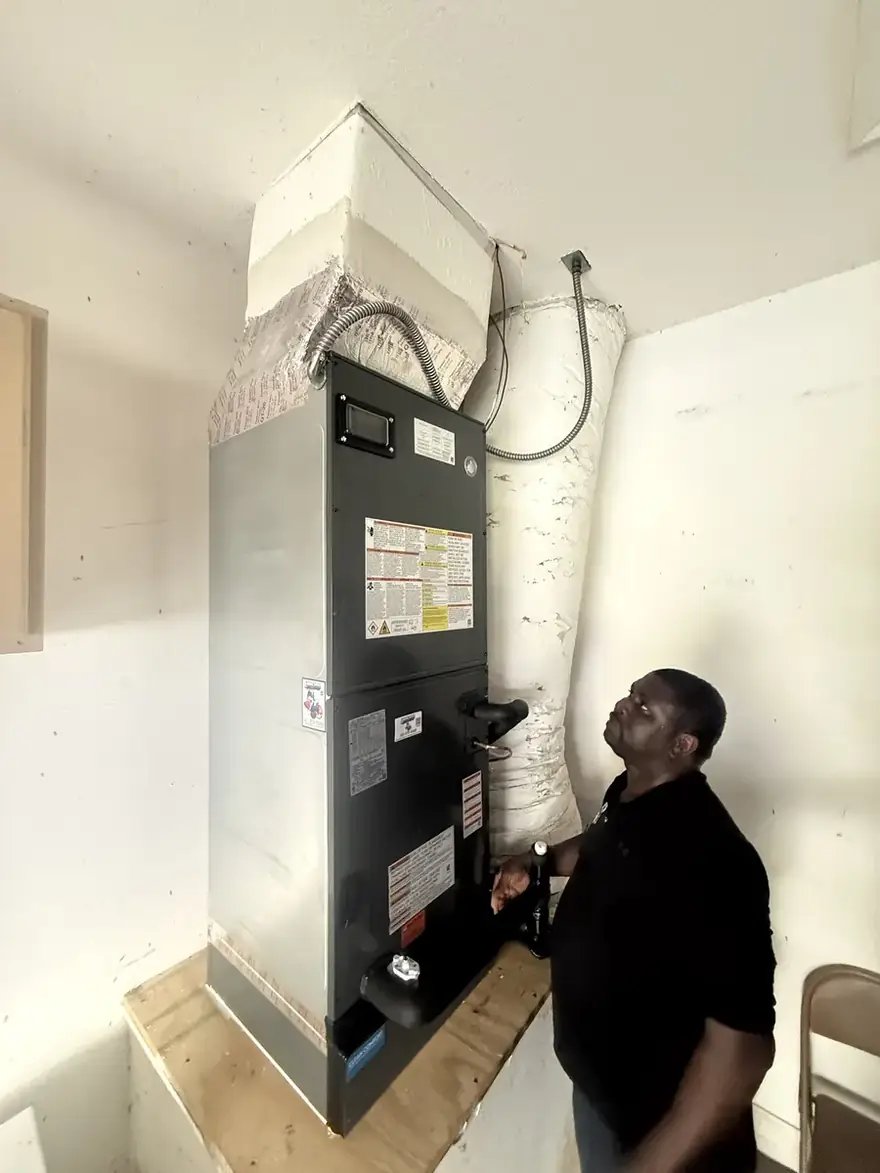
An AC system is a closed loop. Refrigerant absorbs heat inside your home, the compressor pressurizes it, and the outdoor condenser releases that heat outside. A problem in any one of those parts affects the whole system, which is why a single failure often shows up as several symptoms at once.
Watch for these early signs:
- Warm air from the vents even when the unit is running
- Short cycling, where the system turns on and off in quick bursts
- Longer run times that never seem to bring the house down to temperature
- Unusual sounds such as buzzing, rattling, or grinding
- Water pooling near the indoor air handler or around the condensate drain line
- Higher energy bills without a change in how you use the system
Florida's heat and humidity put extra strain on equipment. If you notice one of these signs, a diagnostic visit through our AC Repair team is the fastest way to find the cause before it becomes a bigger failure.
Air Conditioner Problems and Solutions: Thermostat, Power, and Breaker Issues
Some of the most common failures have simple causes you can check yourself before calling for help. Start with the thermostat. Confirm it is set to "cool" and that the temperature is below the current room temperature.
Next, check the breaker. A tripped breaker can shut down the outdoor condenser, the indoor air handler, or both. If you find a breaker in the tripped position, you can reset it once.
If the thermostat and breaker look fine but the system still won't start, the problem likely sits inside the equipment, and it's time to move past homeowner checks. Our $99 standard diagnostic covers a full inspection, and we give you a written, upfront price before any repair starts.
Most Common Reason for AC Not Blowing Cold Air: Airflow, Refrigerant, and Frozen Coils
When an AC blows warm air, the cause usually falls into one of three buckets: restricted airflow, a refrigerant problem, or a frozen evaporator coil. The fastest way to narrow it down is to match what you are seeing at the registers and on the equipment to the most likely cause, then decide what you can safely check and what needs a licensed technician.
Use this symptom-to-cause path as a starting point:
- Weak airflow from every vent, air still cool-ish: Start with the filter and the return grille. A clogged filter or a blocked return is the most common cause of weak airflow across the whole house.
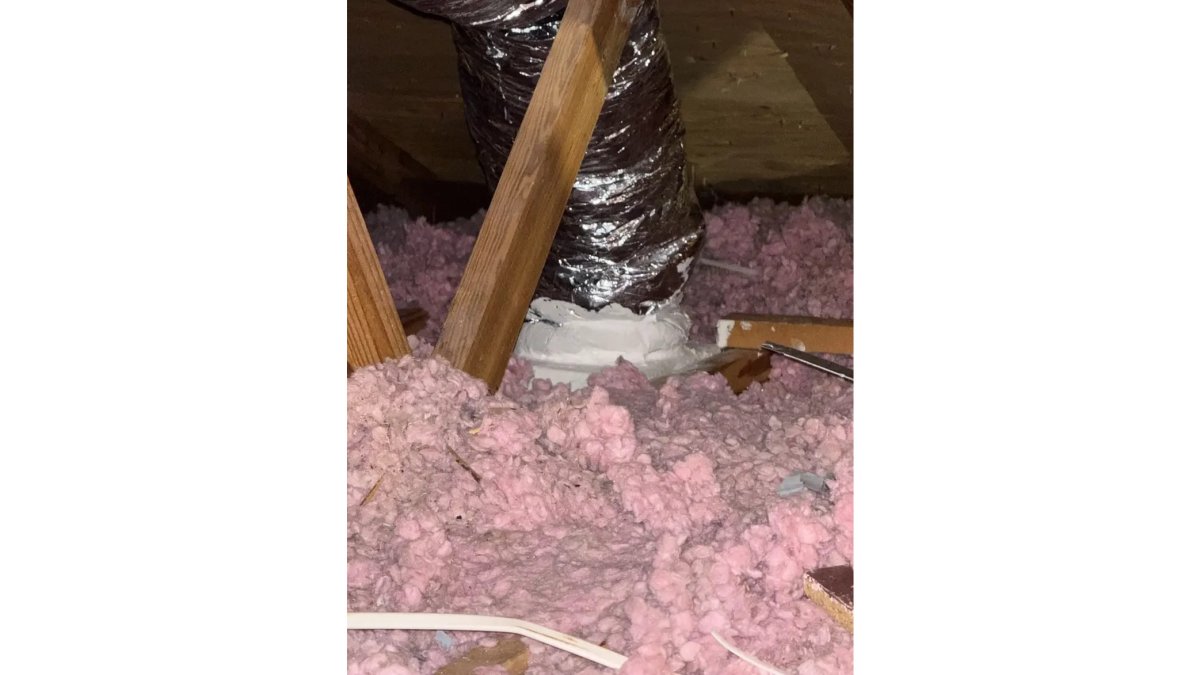
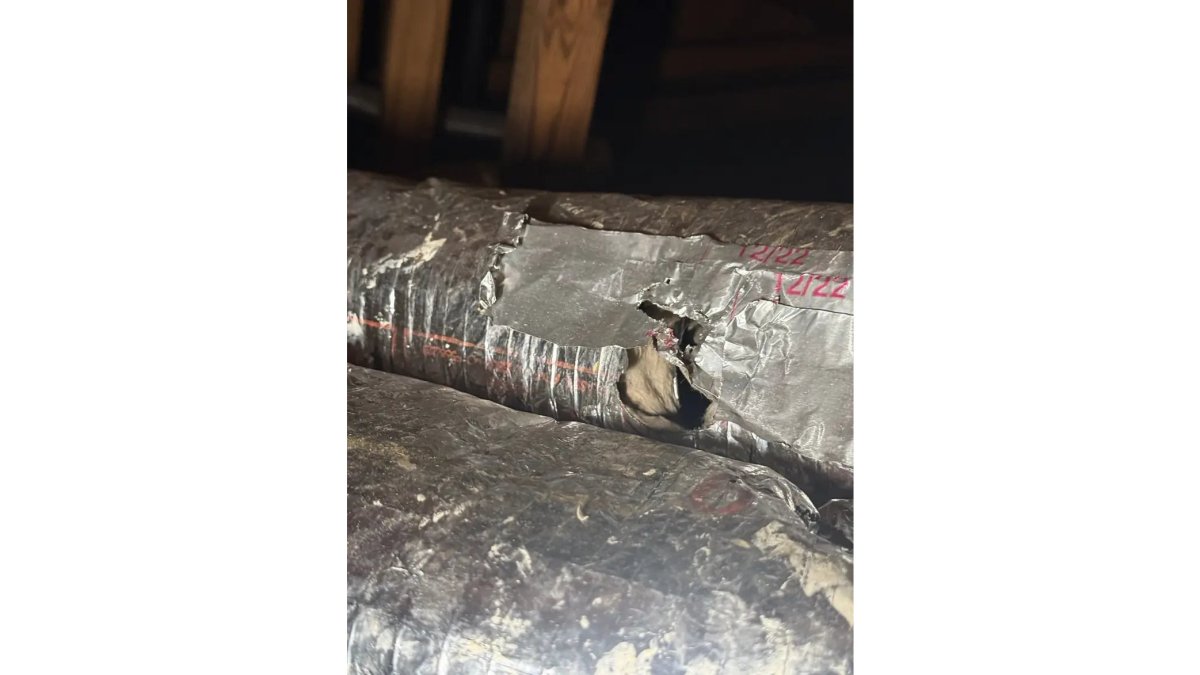
- Weak airflow from some vents, strong from others: Look for closed supply registers, crushed or disconnected flex duct in the attic, or a damper that was left closed after a renovation.
- Strong airflow but warm air: This points away from airflow and toward refrigerant, the compressor, or a metering device. Refrigerant work is for a licensed technician.
- Ice on the indoor coil or the large copper line: The coil is frozen. Turn the system off at the thermostat and let it thaw before doing anything else.
- Ice on the outdoor unit or the small copper line: This often points to a refrigerant restriction or low charge. Stop running the system and call for service.
- Water near the air handler with warm air: A clogged condensate drain can trip a float switch and shut down cooling. Clearing the drain is a technician task once the switch has tripped.
Safe homeowner checks. You can replace a dirty filter, open supply vents and return grilles, clear leaves and grass clippings from around the outdoor unit, and confirm the thermostat is set to "cool" with a setpoint below room temperature.
What requires a technician. Refrigerant, electrical components, the compressor, the metering device, and any diagnostic work on a frozen coil are licensed-technician territory.
Why frozen coils happen here. A frozen evaporator coil is a symptom, not a cause. It forms when the coil runs below freezing, which happens when airflow is too low or the refrigerant charge is too low.
Watch out: running a system with a frozen coil can slug liquid refrigerant back to the compressor and damage it.
If your checks do not solve the warm air, our $99 standard diagnostic covers a full inspection, and you receive a written, upfront price before any repair starts. For ongoing help, our HVAC Repair team handles the full range of cooling and airflow problems.
Use this symptom-to-cause path to narrow down why your AC is blowing warm air.
| Symptom | Likely cause | What to do |
|---|---|---|
| Weak airflow from every vent, air still cool-ish | Clogged filter or blocked return | Replace the filter and clear the return grille |
| Weak airflow from some vents | Closed registers, crushed flex duct, closed damper | Open registers and check attic ductwork |
| Strong airflow but warm air | Refrigerant, compressor, or metering device | Call a licensed technician |
| Ice on the indoor coil or large copper line | Frozen evaporator coil | Turn the system off and let it thaw |
| Ice on the outdoor unit or small copper line | Refrigerant restriction or low charge | Stop running the system and call for service |
| Water near the air handler with warm air | Clogged condensate drain tripping a float switch | Have a technician clear the drain |
Signs of AC Compressor Failure and When Repair Is No Longer Worth It
The compressor is the heart of the system and its failure is the most expensive common breakdown.
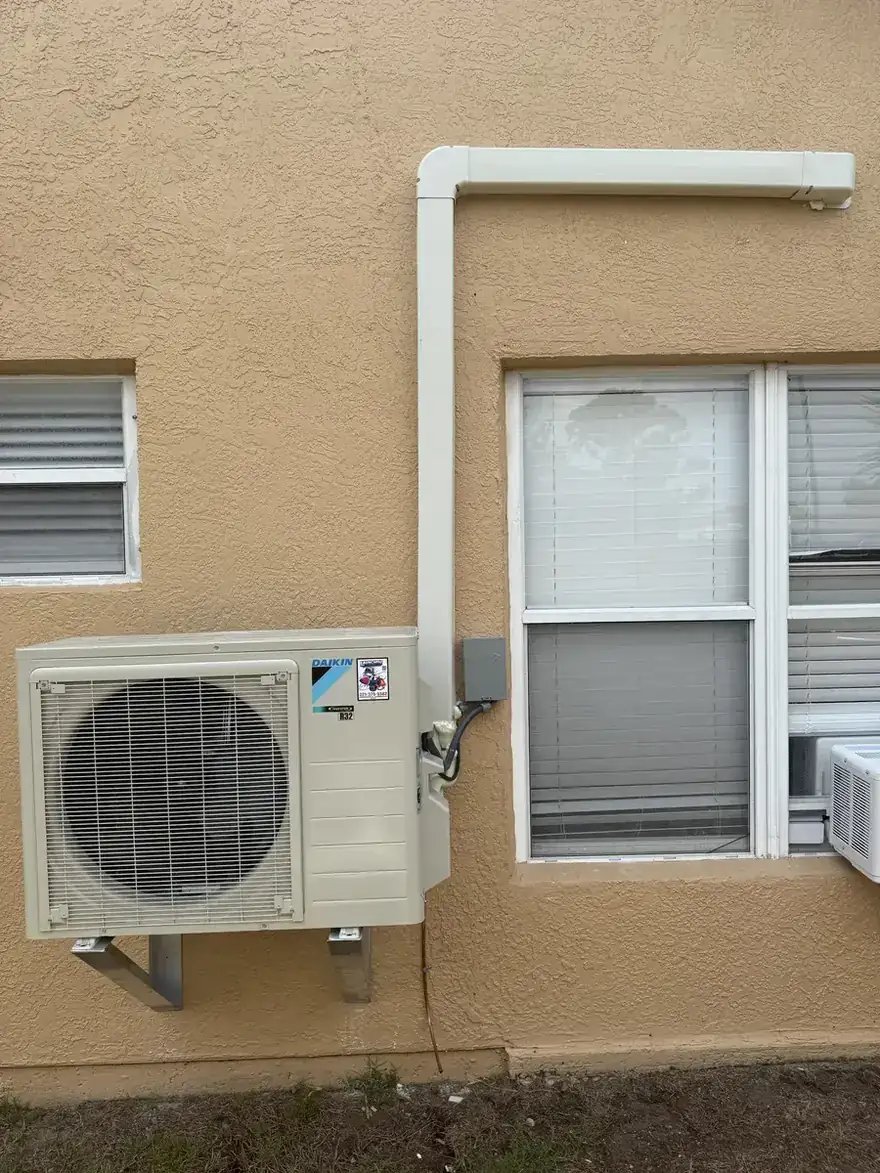
Which symptoms mean shut it down now. Turn the system off at the thermostat and call for service if you see any of these:
- The outdoor unit hums or buzzes but the fan does not spin.
- The breaker trips when the compressor tries to start.
- Ice is forming on the outdoor unit or the small copper line.
- You smell burning insulation or see scorch marks at the disconnect.
- The compressor is hot and the system will not restart after a cool-down.
Which symptoms can wait for a scheduled visit. A system that still cools but short-cycles, runs longer than usual, or makes a new rattle is worth a diagnostic visit but is not an emergency. Catch these early and you often avoid a compressor replacement altogether.
Repair-versus-replace framework. When the compressor is the failed part, the decision usually comes down to four factors:
-
System age. A compressor failure on a system past the middle of its expected service life is usually a replacement signal, especially in a hot-climate market where the equipment has already run hard.
-
Efficiency. A failed compressor on an older, lower-efficiency system can be a chance to move to a higher-efficiency unit, weighed against the upfront cost.
-
Refrigerant type. Older systems using phased-out refrigerants can be harder and more costly to service, which shifts the math toward replacement.
What drives the cost. Compressor replacement cost depends on the compressor type, the refrigerant in the system, whether the failure damaged other components, and the labor to safely recover refrigerant and re-charge the system. Free in-home estimates are available for new systems through our AC Installation & Replacement team, and HVAC Financing is available if you decide to replace.
Watch out: repeatedly resetting the breaker on a compressor that trips it can burn out the contactor, the capacitor, or the compressor windings. Reset once, and if it trips again, stop and call a licensed technician.
AC Maintenance and Filter Replacement to Prevent Future Failure
Many of the failures above are easier to prevent than to repair, because regular maintenance can catch small problems early. Start with the simplest habit: check your air filter every month during peak cooling season and replace it when it looks dirty. A clean filter keeps airflow strong and reduces strain on the blower motor and coil.
Keep the outdoor condenser clear of leaves, grass clippings, and debris, and leave at least a couple of feet of open space around it for airflow. Check that the condensate drain line is clear, since a clogged drain can cause water leaks and shut the system down.
Professional tune-ups add a level of inspection that homeowners can't do themselves. You can review the full plan details on our Comfort Club Maintenance Plans page.
Booking Your Diagnostic Visit with Launchpad Services
If your AC is blowing warm air, making unusual noises, or shutting off unexpectedly, a professional diagnosis is the fastest path to a lasting fix. Launchpad Services is a locally owned, licensed and insured HVAC contractor serving Palm Bay, Melbourne, Viera, Suntree, and the rest of Brevard County. Our standard diagnostic is $99, and we give you a written, upfront price before any work begins.
Call 321-375-5582 or book service online to schedule your visit.
Frequently Asked Questions
What is the most common cause of AC failure?
A common cause of AC failure is a problem with airflow, usually a dirty or clogged air filter. When filters are blocked, air cannot move across the evaporator coil, the coil can freeze, and the system struggles to cool. Checking and replacing the filter regularly is a simple first step. If the system still runs but does not cool well after a filter change, schedule a diagnostic. Our standard diagnostic is $99, and we give you a written, upfront price before any work starts.
Why is my AC running but not cooling?
If your AC runs but blows warm or weak air, the most frequent causes are a dirty filter, closed or blocked vents, a dirty outdoor condenser, a frozen evaporator coil, or low refrigerant from a leak. Refrigerant and electrical work must be handled by a licensed technician, so a homeowner should stop after checking the thermostat, filter, vents and the area around the outdoor unit. A technician can confirm the cause and explain the repair before any work begins.
Can a dirty air filter cause an AC system to stop working?
Yes. A clogged filter restricts airflow across the evaporator coil, which can cause the coil to freeze. A frozen coil can stop cooling entirely and, if the system keeps running, can strain the compressor. Replacing the filter is one of the easiest ways to prevent this kind of failure. Most homeowners should check the filter monthly during the cooling season.
When should I call an HVAC technician for an AC problem?
Call a licensed technician if the system is not cooling after you have checked the thermostat, breaker and filter, if you notice water leaking, unusual buzzing, grinding or rattling, if the system keeps turning on and off, or if you smell a burning odor. Refrigerant, electrical and gas work requires a licensed professional. You can book service online or call 321-375-5582 to schedule a diagnostic visit.