High Efficiency AC Installation Guide 2026
Last Updated: November 7, 2026
Quick Summary
High-efficiency AC installation matches equipment capacity to your home's measured cooling load, then verifies refrigerant charge, airflow, and static pressure so the system actually delivers its rated SEER2 performance. Skipping those steps, or pairing a premium unit with leaky ducts, erases much of the efficiency you paid for. We pull the permit, commission the system, and give you a written, upfront price before any work starts.
- A room-by-room Manual J load calculation establishes required capacity before any equipment is quoted.
- Oversized systems short-cycle, leaving humidity high and wearing parts faster.
- Higher SEER2 units paired with leaky ducts can underperform lower-rated units with sealed ducts.
- Refrigerant charge should be verified by weight and subcooling, not guessed by gauge feel.
- New 2026 equipment increasingly uses low-GWP refrigerants such as R-32 and R-454B.
Table of Contents
- Why High-Efficiency AC Installation Matters More in 2026
- Air Conditioner Replacement Signs: When to Stop Repairing
- Choosing Your System: Central Air, Ductless Mini-Split, or Heat Pump
- AC System Sizing: Why Tonnage and Cooling Load Decide Your Comfort
- SEER2 Air Conditioner Ratings and What They Mean for Your Bill
- The Air Conditioner Installation Process, Step by Step
- Ductwork, Line Sets, and Airflow: The Hidden Half of Efficiency
- Refrigerant in 2026: R-32, R-454B, and Low-GWP Serviceability
- What Drives Installation Cost and How to Compare Bids
- Booking Your Free In-Home High-Efficiency Estimate
- Frequently Asked Questions
Why High-Efficiency AC Installation Matters More in 2026
High-efficiency AC installation is the single biggest lever a Space Coast homeowner has over comfort and monthly bills. The U.S. Department of Energy's finalized efficiency rules for room air conditioners take effect in 2026, and DOE expects those rules to save consumers money over time. Equipment standards keep tightening, which means the gap between a well-installed high-efficiency system and a rushed one widens every year.
At Launchpad Services, we install and replace systems across Brevard County, from Viera and Suntree to Melbourne Beach and Satellite Beach. A high-efficiency system installed with a leaky duct run or an oversized condenser may not deliver its rated performance.
Below, we walk through replacement signs, system types, sizing, SEER2 ratings, the installation process, ductwork, refrigerant changes, and how to compare bids. Every section is built around one question: what actually decides whether your new system performs.
Air Conditioner Replacement Signs: When to Stop Repairing
Stop repairing when the system is past its useful life, breaking down repeatedly, or facing a repair bill that approaches a meaningful share of replacement. Age alone is not the trigger. Pattern is.
Watch for these signals:
- Two or more major repairs in a single cooling season
- Refrigerant leaks that keep returning after recharge
- Rooms that never cool evenly, even after duct balancing
- Rising electric bills with no change in usage habits
- Rust, corrosion, or pitting on the outdoor cabinet from salt air
Coastal homes tend to show cabinet corrosion earlier than inland properties. That is a materials issue, not a performance one, but it signals the end of the road.
If you are weighing the math honestly, our guide to AC repair vs. replace in Florida lays out the 2026 tradeoffs without pressure. We diagnose first, then give a written price before any work starts.
Choosing Your System: Central Air, Ductless Mini-Split, or Heat Pump
Central air is the right choice for most Brevard homes with existing ductwork. Ductless mini-splits win for additions, garages, and homes without ducts. Heat pumps are the strongest fit where you want one system for both cooling and heating.
| System | Best For | Strengths | Trade-offs |
|---|---|---|---|
| Central air | Homes with sound ductwork | Even cooling, single thermostat | Duct losses if the envelope is poor |
| Ductless mini-split | Additions, single rooms, no-duct homes | Zone control, quiet operation | One head per zone, higher upfront |
| Heat pump | Year-round efficiency in mild winters | Heating and cooling in one unit | Cold-weather output drops in hard freezes |
Space Coast winters are mild enough that a heat pump handles the heating load well in most homes. A heat pump paired with a variable-speed air handler can offer quieter operation and steadier humidity control.
If you are unsure which type fits your home, ask for a load calculation before you compare prices.
AC System Sizing: Why Tonnage and Cooling Load Decide Your Comfort
System sizing is the process of matching equipment capacity to your home's actual cooling load, not to its square footage alone. Oversized systems short-cycle, which leaves humidity high and wears parts faster. Undersized systems run constantly and never quite catch up.
A proper load calculation accounts for window orientation, insulation, attic conditions, duct location, and internal heat gains. In hot attics, duct losses can erase much of a high-efficiency system's advantage.
What most guides miss: tonnage is a range, not a fixed number. Two homes of identical size on the same street can need different capacities because of shading, roof color, and window type. If a contractor quotes equipment without measuring, ask why.
For a deeper walkthrough on spotting an incorrectly sized system, read our guide on signs an AC system is incorrectly sized.
SEER2 Air Conditioner Ratings and What They Mean for Your Bill
SEER2 is the current efficiency rating for central air conditioners, measured under updated test procedures that better reflect real-world duct and airflow conditions (Consumer Central Air Conditioners and Heat Pumps). Higher SEER2 means lower energy consumption per unit of cooling, but the savings depend heavily on installation quality.
Older SEER ratings are not directly comparable to SEER2 numbers because the test procedures changed. If a bid quotes SEER instead of SEER2, ask for the SEER2 figure. The ECCO Supply overview of the SEER2 and HSPF2 metric shift explains why the industry moved to the new standard.
A few practical notes:
- A higher SEER2 unit paired with leaky ducts can underperform a lower-rated unit with sealed ducts
- Variable-speed compressors improve part-load efficiency, which is where most homes actually run
- Humidity control matters as much as raw efficiency on the Space Coast
The Air Conditioner Installation Process, Step by Step
A high-efficiency system is more likely to reach its rated SEER2 performance when every step in the install is completed and verified. The list below is the sequence we follow, and it doubles as a homeowner checklist you can use to compare bids. For each step, ask what gets measured and what gets written down.
- Load calculation and equipment selection. A room-by-room Manual J load calculation establishes the required capacity before any equipment is quoted. Square footage alone is not a load calculation.
- Permit pulled before work begins. System replacements in Florida generally require a permit, which we pull for you. A contractor who starts work before the permit is issued is a red flag.
- Removal and disposal of the old system. Refrigerant is recovered per EPA rules, and the old equipment and pad are hauled away.
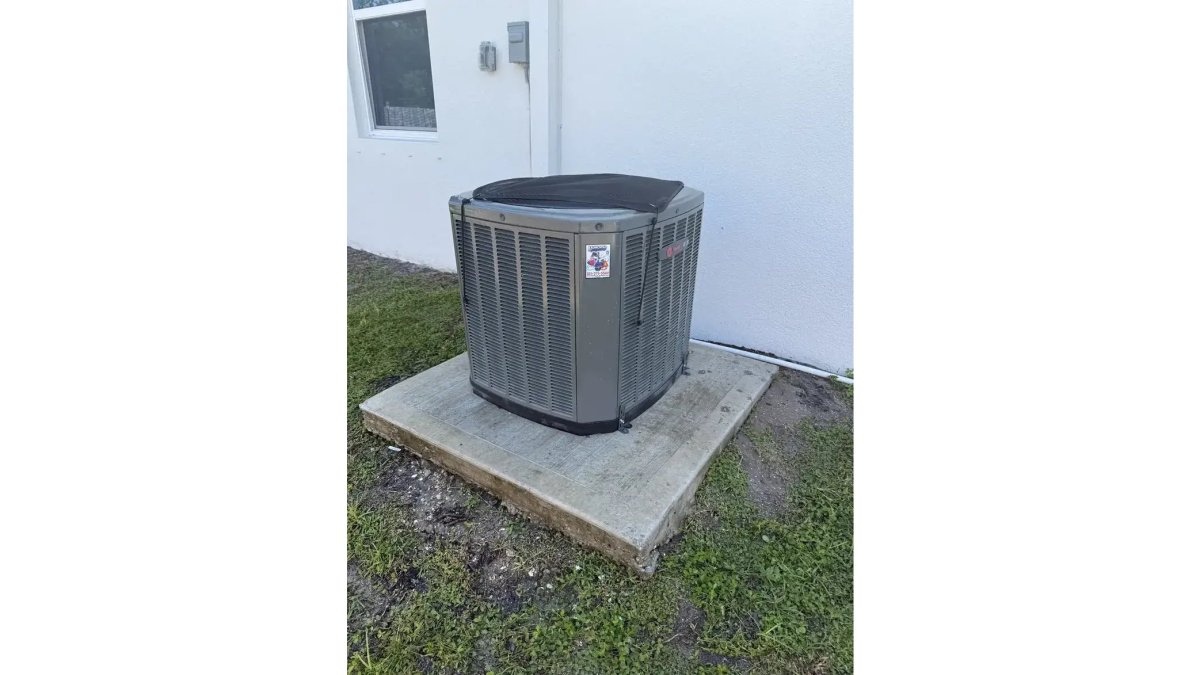
- Pad, line set, and electrical work. The outdoor pad is leveled, the line set is sized to the new equipment, and the electrical disconnect and breaker are matched to the nameplate.
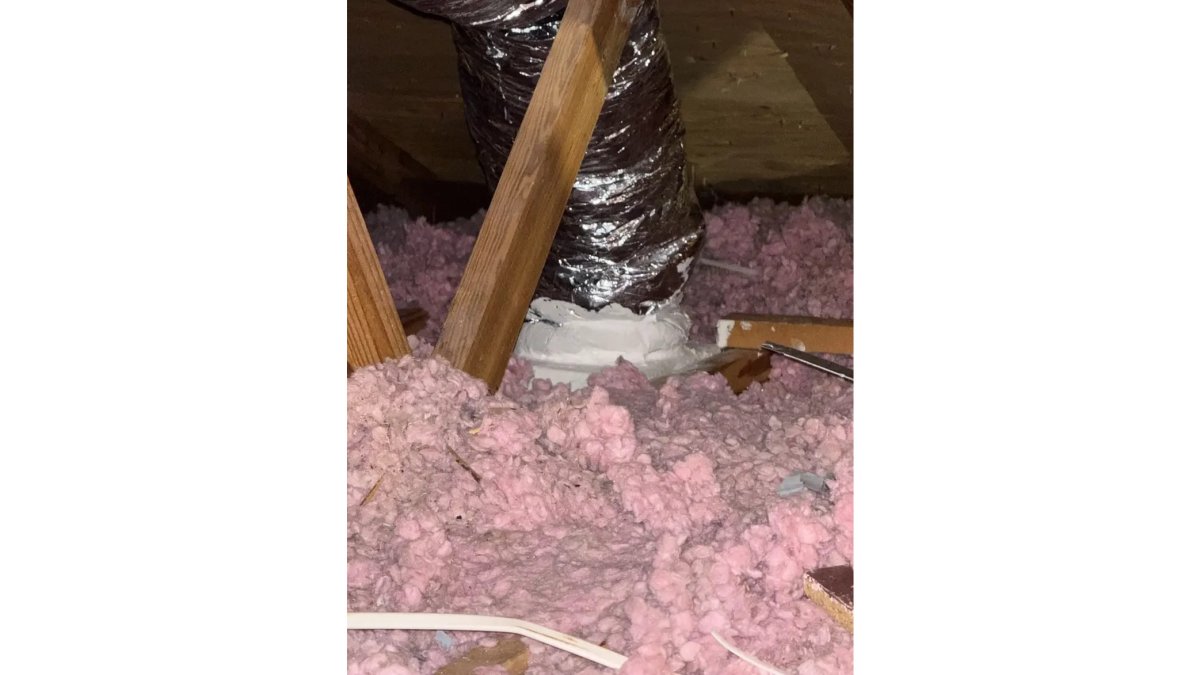
- Duct inspection and sealing where needed. Accessible leaks are sealed, and static pressure is checked before the new air handler goes in.
- Equipment set, brazed, and evacuated. The indoor coil and outdoor unit are connected, brazed with nitrogen, and the line set is evacuated to a deep vacuum to remove moisture and non-condensables.
- Refrigerant charge verified by weight and subcooling. The charge is confirmed against the manufacturer's data, not guessed by gauge feel.
- Airflow and static pressure measured. Total external static pressure and temperature rise or drop are recorded so the system is proven to move the air it was designed for.
- Thermostat configured and system tested. Staging, fan settings, and humidity control are set for the home, and the system runs through a full cooling cycle.
- Walkthrough and documentation. You receive the load calculation, the commissioning readings, the permit record, and the equipment manuals.
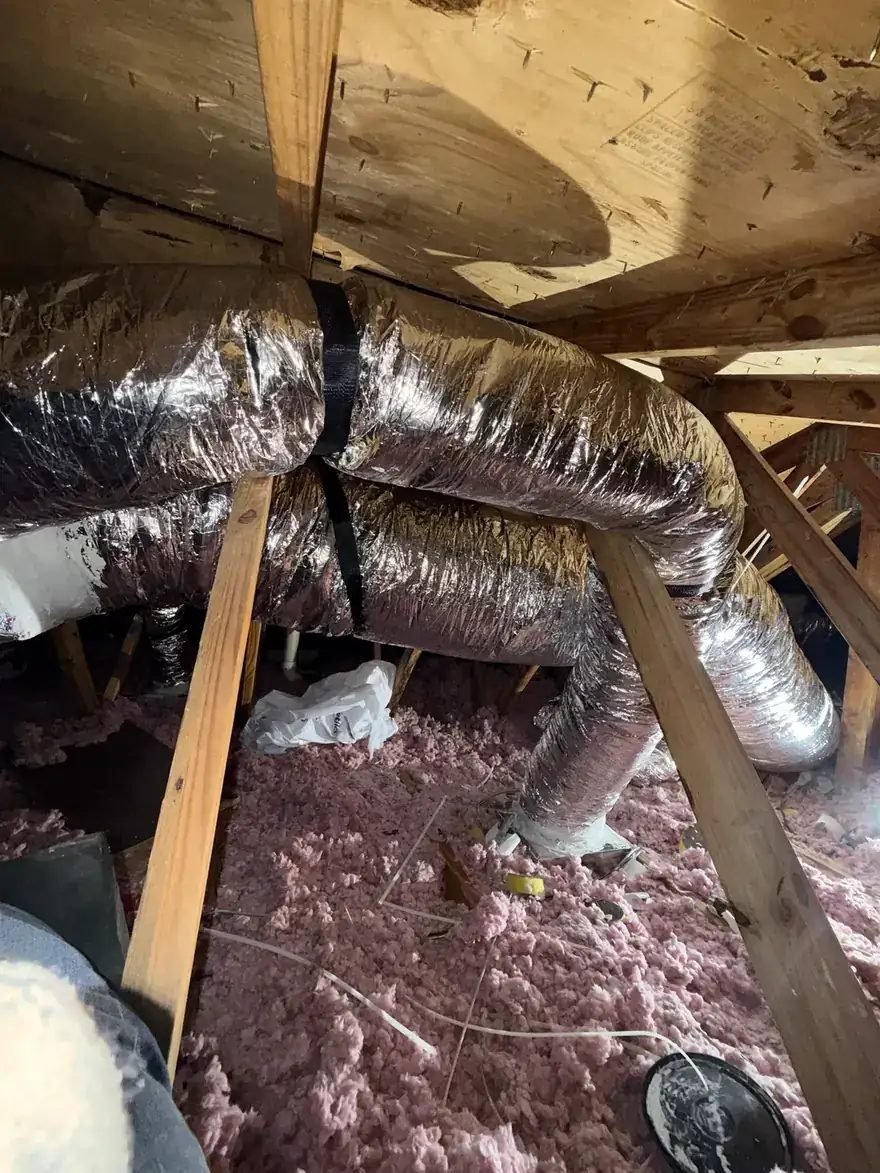
What commissioning actually verifies. Commissioning is a step worth asking about in any bid. A properly commissioned system has documented refrigerant charge by weight and subcooling, measured static pressure, verified airflow in cubic feet per minute, and a confirmed thermostat configuration. Without those readings, a high-efficiency unit is just a box with a label. Ask any contractor to show you the commissioning sheet before you sign.
Watch out: A bid that lists equipment and labor but never mentions evacuation, charge verification, or static pressure is telling you the commissioning step will be skipped.
Before you hire anyone, know the questions to ask. Our guide on heat pump installer questions covers what to vet before signing.
Ductwork, Line Sets, and Airflow: The Hidden Half of Efficiency
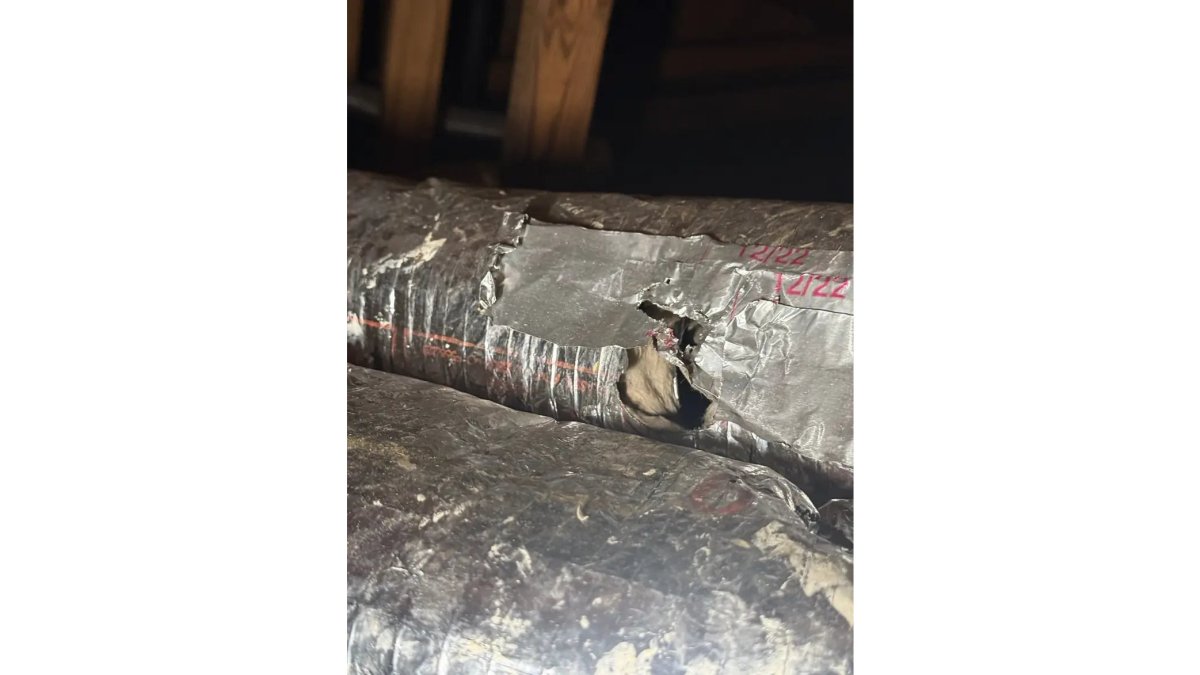
Ductwork decides whether a high-efficiency system ever reaches its rating. Leaky ducts in a hot attic bleed cooled air into unconditioned space, and no SEER2 number survives that. Before replacing equipment, a proper installation inspects the duct run, seals accessible leaks, and checks static pressure.
Line sets matter too. Reusing an undersized or contaminated line set on new equipment can void efficiency gains and shorten compressor life.
Airflow is the third leg. A system with restricted return air will run hot, short-cycle, and never hold humidity where it should. Measuring static pressure and verifying airflow after installation is good practice.
Duct sealing and attic insulation often deliver more comfort per dollar than an equipment upgrade alone. Comfort Club members get 15% off Super Seal duct sealing, limits apply.
Refrigerant in 2026: R-32, R-454B, and Low-GWP Serviceability
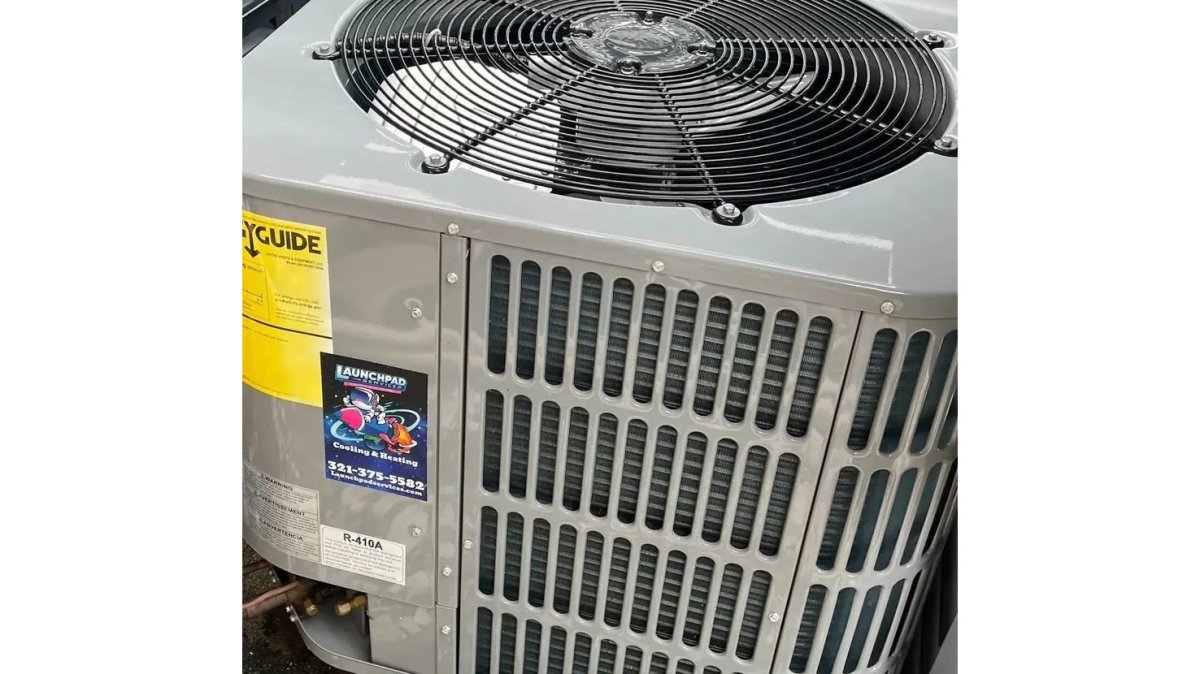
The refrigerant transition is the biggest technical change in residential HVAC this decade. R-410A is being phased down in favor of lower-global-warming-potential refrigerants, primarily R-32 and R-454B. New equipment arriving in 2026 will increasingly use these low-GWP refrigerants.
What this means for you:
- New systems may use a different refrigerant than your old one, so serviceability planning matters
- Refrigerant handling is licensed technician work, not a homeowner task
- Ask your installer which refrigerant the new system uses and confirm parts and service support locally
A system is only as good as its serviceability.
What Drives Installation Cost and How to Compare Bids
Installation cost is driven by system type, capacity, efficiency tier, duct condition, line set condition, electrical work, permit, and labor. Two bids for the same SEER2 equipment can differ widely because of what is included in the scope, and the lower bid often wins by leaving out the steps that protect efficiency.
When comparing bids, check these line items:
- Is the permit included and pulled by the contractor?
- Is the line set replaced or reused, and is it sized to the new equipment?
- Is duct sealing included, and how is it verified?
- Is the refrigerant charge verified by weight and subcooling?
- Is airflow measured and documented?
- Is old equipment removal and disposal included?
- Is the load calculation provided, or was capacity guessed from square footage?
How the drivers interact. Duct condition is the multiplier most homeowners miss. A leaky duct run in a hot Brevard attic can erase much of the advantage of a higher-SEER2 unit, so a bid that pairs premium equipment with unsealed ducts is not the value it appears to be. Line set condition works the same way: reusing an undersized or contaminated line set on new equipment can void efficiency gains and shorten compressor life. Electrical work is a smaller but real variable, since some older homes need a panel or disconnect upgrade to support the new nameplate.
Lifecycle cost, not sticker price. The number on the bid is only the first line of the total. A fair comparison weighs purchase price, installation scope, expected energy use at your actual run hours, maintenance, and expected service life. Two systems with the same SEER2 can land in different places once duct sealing, line set replacement, and commissioning are priced in. Ask each contractor to quote the same scope so the comparison is apples to apples, and ask what the equipment's expected service life is under manufacturer documentation.
Watch out: A bid that is dramatically lower than the others usually reflects a smaller scope, not a better deal. Find out which line items were dropped before you compare totals.
We give a written, upfront price after diagnosis, before any work starts. Free in-home estimates are available for new systems, and financing is available. Our standard diagnostic is $99, and Comfort Club members pay $49 service calls, limits apply. For high-ticket replacements, good, better, and best options with SEER2 ratings can help you weigh upfront scope against long-term performance.
Booking Your Free In-Home High-Efficiency Estimate
A free in-home estimate is the only way to price a high-efficiency system accurately. A free in-home estimate can include measuring the home, inspecting the ducts, checking the electrical panel, and confirming the load before equipment is quoted.
Here is what to expect:
- A load calculation, not a square-foot guess
- Good, better, and best equipment options with SEER2 ratings
- A written scope covering permit, line set, duct work, and commissioning
- A written, upfront price before any work begins
To request your estimate, visit our AC installation and replacement page for Palm Bay. If you want to understand the process first, read how the free AC installation estimate works.
You can also call 321-375-5582 or book service online. Comfort Club members get $49 service calls, $0 emergency and after-hours fees, priority service, and 15% off repairs, limits apply.
High-efficiency equipment only pays off when it is sized, installed, and commissioned correctly. If your system is aging, breaking down, or never quite keeping up with Space Coast humidity, the next step is a real load calculation and a written scope. Launchpad Services can pull the permit, verify refrigerant charge, measure airflow, and give you a written, upfront price before any work starts. We also offer free in-home estimates for new systems and flexible monthly payment options. Get started with Launchpad Services and get a right-sized, high-efficiency system that actually performs.
Frequently Asked Questions
What is the new AC refrigerant for 2026?
The industry is moving to low-GWP refrigerants, mainly R-32 and R-454B, as older R-410A blends are phased down. The U.S. Department of Energy has also finalized efficiency rules for room air conditioners that take effect in 2026. For a central system, your installer should tell you which refrigerant the equipment uses and confirm that gauges, recovery equipment, and replacement parts are available locally. Ask about serviceability before you sign, because a refrigerant that is hard to source can slow future repairs.
How long does an AC installation take?
The length of a central air replacement depends on the scope of the job, including whether ductwork is involved. Ductless mini-split installations vary with the number of indoor heads. The air conditioner installation process includes removal, pad and line set work, electrical connections, refrigerant charging, and a commissioning check. Ask your contractor for a written schedule and confirm whether a permit inspection adds a follow-up visit.
Does an AC replacement require a permit?
In Florida, system replacements generally require a permit, and a licensed contractor should pull it for you. The permit protects you because the work is inspected against code, and it matters if you ever sell the home. Ask for the permit number before work begins and keep the final inspection record. If a bidder suggests skipping the permit to save time, treat that as a warning sign about how the rest of the job will be handled.
How do I choose the right size air conditioner for my home?
Proper AC system sizing starts with a room-by-room cooling load calculation, not a guess based on square footage. A proper load calculation accounts for factors such as windows, insulation, and duct condition. An oversized unit cools fast but cycles short, which leaves the Space Coast humidity in the air; an undersized unit runs constantly and struggles in July. Ask to see the load calculation in writing, and confirm the quoted tonnage matches it.
What is the difference between SEER2 and SEER ratings?
SEER2 uses a newer test procedure with different external static pressure conditions, so a SEER2 number is not directly comparable to an older SEER number. That is why efficiency comparisons now rely on SEER2 and HSPF2. When you compare bids, compare SEER2 to SEER2, and ask for the AHRI certificate that matches the exact indoor and outdoor pairing. A high rating on paper only helps if the matched system is installed and commissioned correctly.
What should homeowners expect during an AC installation?
Expect a written, upfront price before work starts, and a permit for the replacement. The crew will recover the old refrigerant, remove the equipment, set the new pad and unit, run the line set, and make electrical connections. Before the crew leaves, ask for a commissioning check: refrigerant charge verified, airflow measured, thermostat configured, and the drain line tested.